





What is a stainless steel capillary?
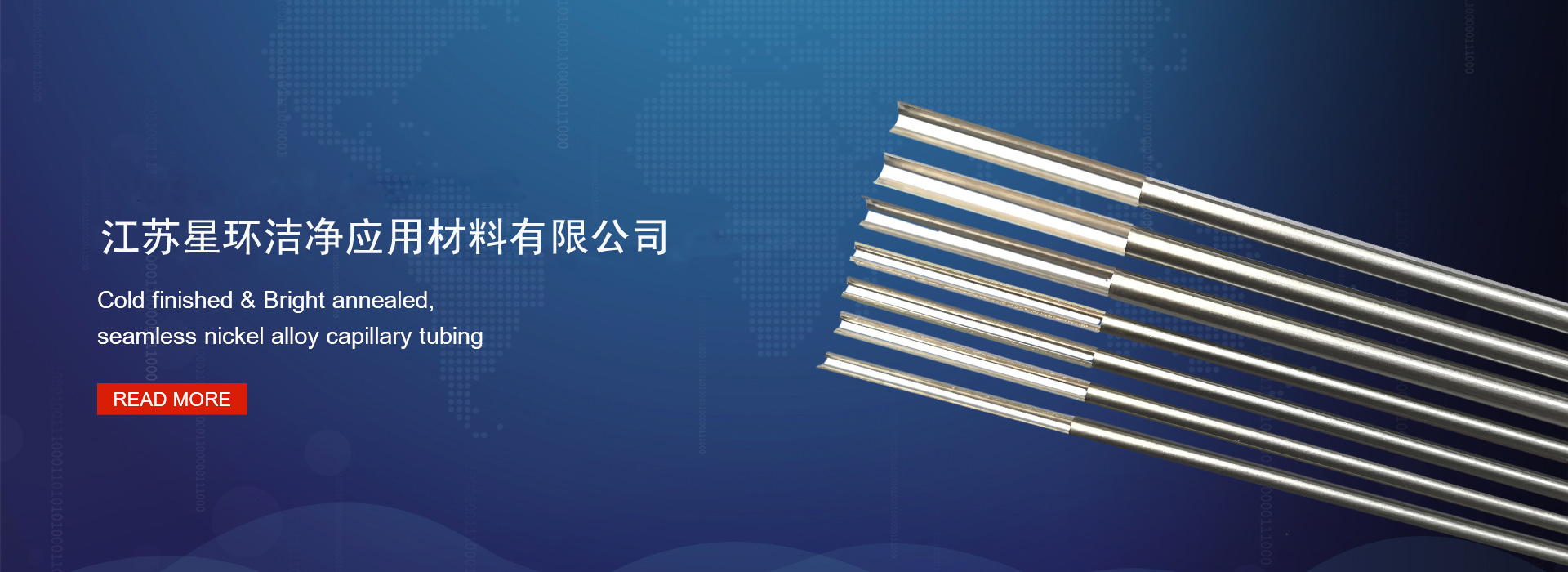
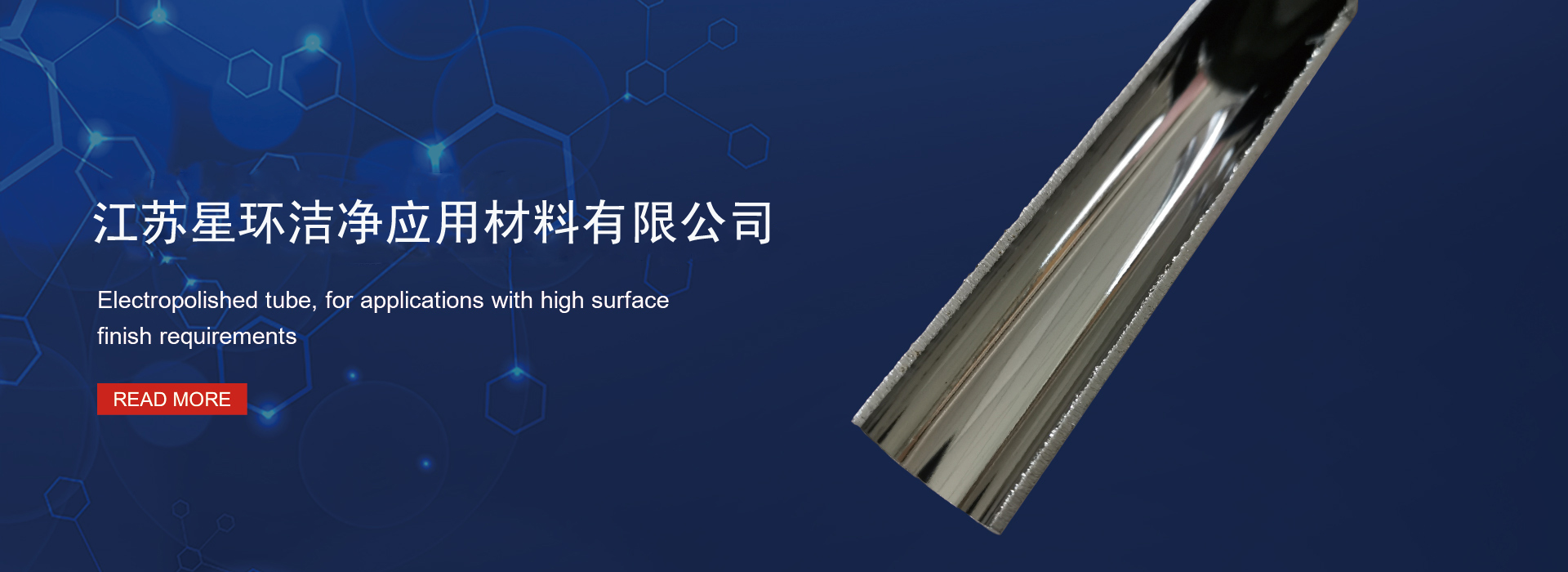
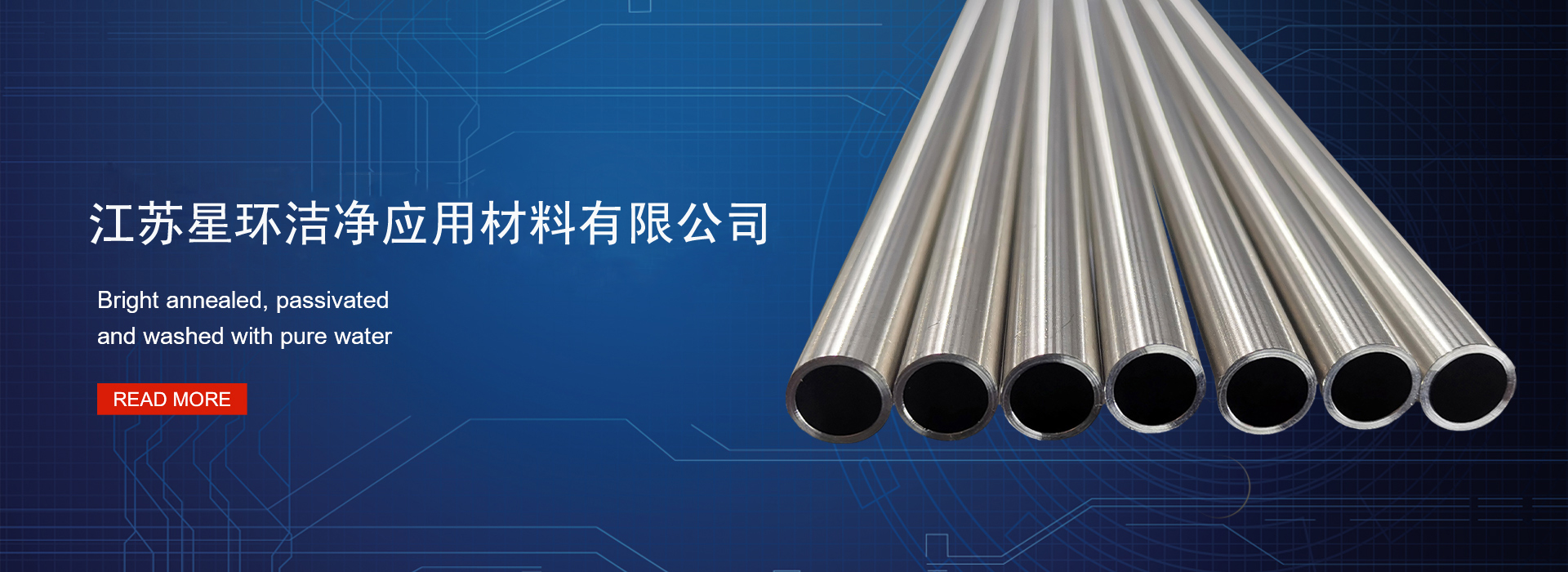
Stainless Steel Capillary Tube is an ultra-thin thin-walled metal tube with corrosion resistance, high strength, and high temperature resistance. It is widely used in the fields of medical treatment, precision instruments, chemicals, electronics, etc. It has a small inner diameter (usually 0.1-5mm) and high dimensional accuracy, and is suitable for precision scenarios such as fluid transmission, sensors, and chromatographic analysis.

304 Stainless Steel Capillary Tube
How to correctly install and use stainless steel capillaries?
Stainless steel capillaries have a small diameter and thin wall. Correct installation and use methods are essential to ensure their performance and service life.
Before installing stainless steel capillaries, full preparations must be made. First, carefully check the appearance of the stainless steel capillaries to ensure that there are no defects such as scratches, deformations, cracks, etc., and check whether the specifications such as diameter and wall thickness meet the use requirements. Secondly, prepare the tools and accessories required for installation, such as special cutting tools, welding equipment, seals, etc. When cutting capillaries, sharp and high-precision tools should be used, such as special pipe cutters, to avoid burrs and deformations on the pipe mouth, which will affect the connection and sealing effect. After cutting, use sandpaper or a file to grind the pipe mouth flat and smooth.
During the installation process, the selection and operation of the connection method of stainless steel capillaries are very critical. Common connection methods include welding, ferrule connection, flaring connection, etc. When welding is used for connection, the welding temperature and time must be strictly controlled to prevent the pipe wall from burning through and deforming due to excessive temperature; the ferrule connection must ensure that the ferrule fits tightly with the pipe, and the force should be uniform when tightening the nut to avoid local excessive force and damage to the pipe; the flaring connection must ensure that the size and shape of the flaring are accurate and well matched with the connector. During installation, it is also necessary to avoid excessive bending and stretching of the capillary. The bending radius should generally not be less than 3-5 times the pipe diameter to prevent the pipe from rupturing due to stress concentration.
During the use of stainless steel capillaries, it is necessary to pay attention to controlling the pressure and flow of the medium. Stainless steel capillaries have a small diameter and are more sensitive to pressure changes. Avoid overpressure operation to prevent pipe bursting. At the same time, regularly inspect and maintain the capillaries to check for leaks, corrosion, etc., and deal with the problems found in a timely manner. After conveying corrosive media, rinse the pipes with clean water or a suitable cleaning agent to prevent the medium from remaining and corroding the pipes. Through standardized installation and correct use and maintenance, the performance advantages of stainless steel capillaries can be fully utilized to ensure their stable and reliable operation.